Botswana
Kgalagadi Landscape
Reimagining Africa’s largest trophy hunting area.
Red dunes, open grassland and one of the continent’s most intact dryland ecosystems. KD1 and KD2 together form the largest contiguous hunting block in Africa. We are helping turn them into something else entirely.
Who you are supporting
Abundant Village is a US-registered nonprofit working alongside communities in Botswana, South Africa, Tanzania and Zimbabwe. We fund and co-design conservation that the people living closest to the land actually lead. This page is about the Kgalagadi, in south-western Botswana, and the work to move it from extraction to enduring protection.

501(c)(3) nonprofit · Tax ID 93-1914783
One of southern Africa’s great dryland ecosystems
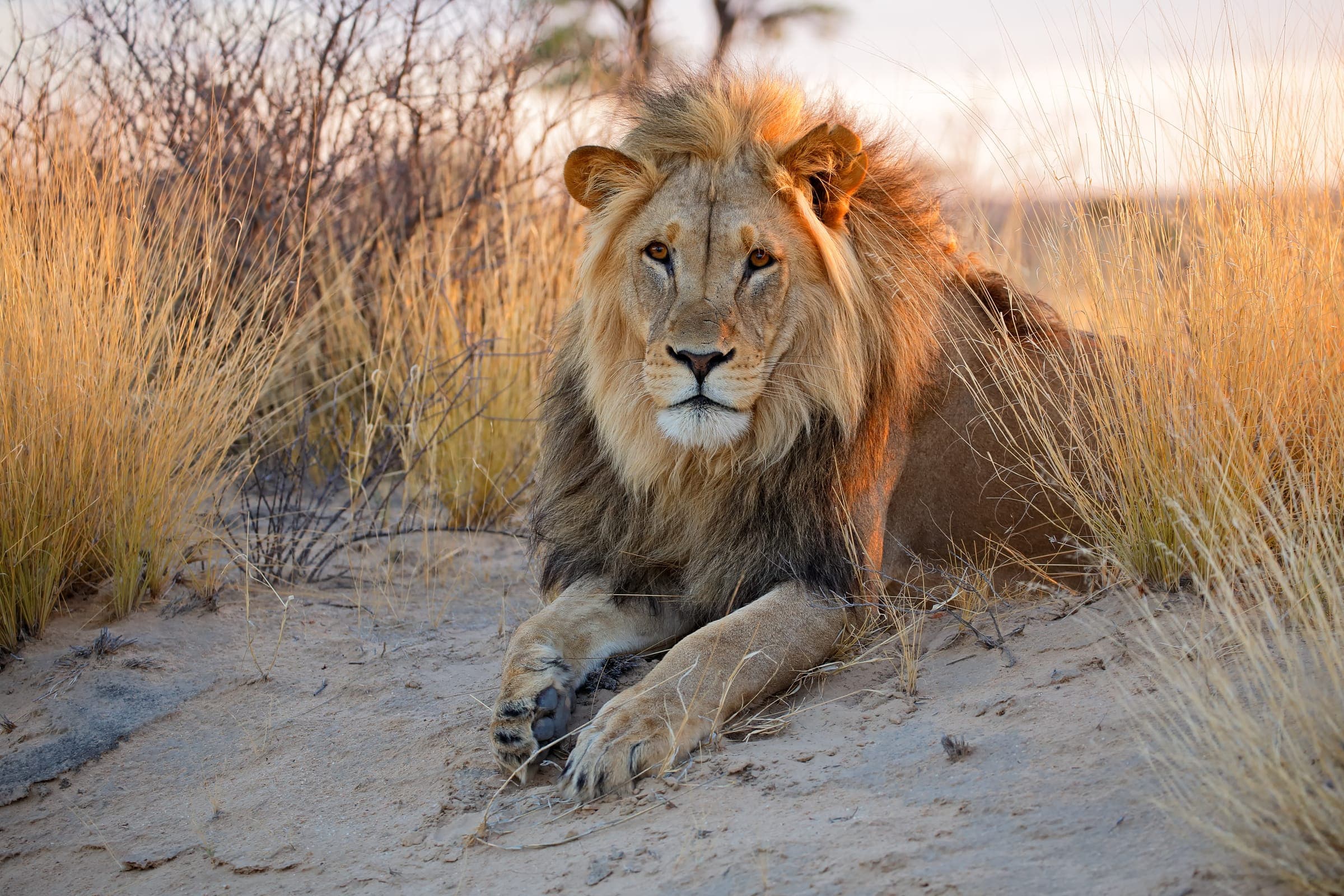
The Kgalagadi is defined by red dunes, open grasslands and globally significant populations of lion, wild dog and migratory herbivores. As a critical buffer to the Kgalagadi Transfrontier Park, protecting its ecological connectivity is central to long-term conservation.
In partnership with Kalahari Research and Conservation, Abundant Village is helping transition land from extractive hunting toward long-term, community-led protection. At the core are KD1 and KD2, which together form the largest contiguous hunting block on the continent and serve as essential buffer and movement corridors.
Why the Kgalagadi matters
KD1 and KD2 are not peripheral areas. They are the ecological and strategic backbone of the greater Kgalagadi system. Securing them protects one of Africa’s most intact ecosystems and demonstrates that large-scale conservation without extractive hunting is both possible and scalable.
The largest block of its kind in Africa
Together KD1 and KD2 form the single largest contiguous former hunting block on the continent, which makes them the highest-leverage piece of the whole system.
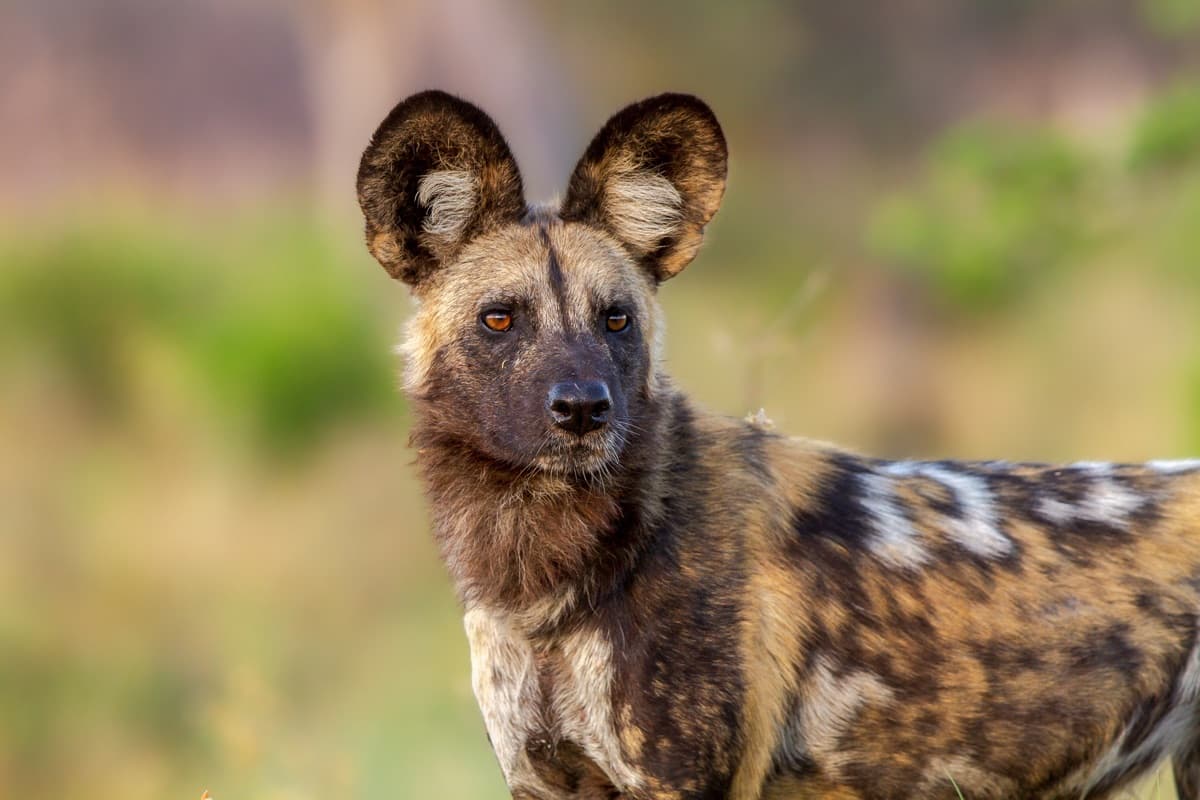
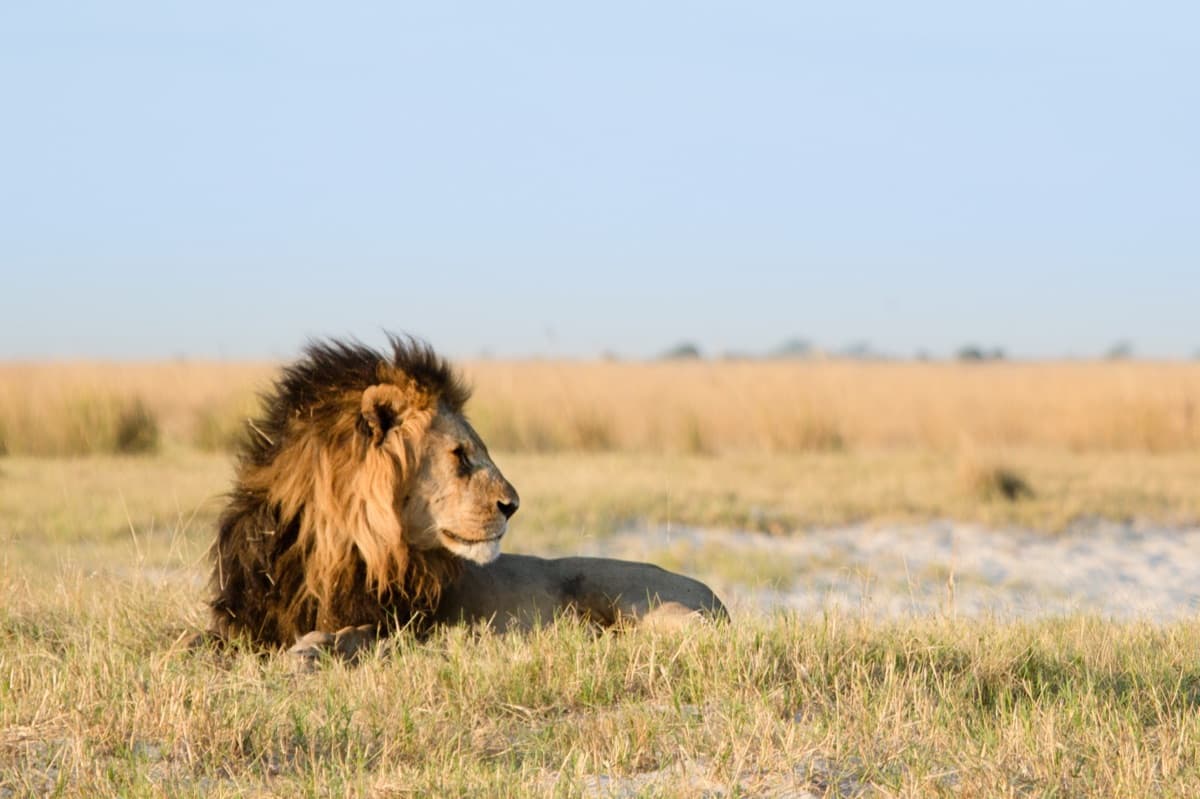
Lion and wild dog country
The blocks support resident and dispersing populations of lion and African wild dog, two species whose range depends on exactly this kind of connected, unfenced land.
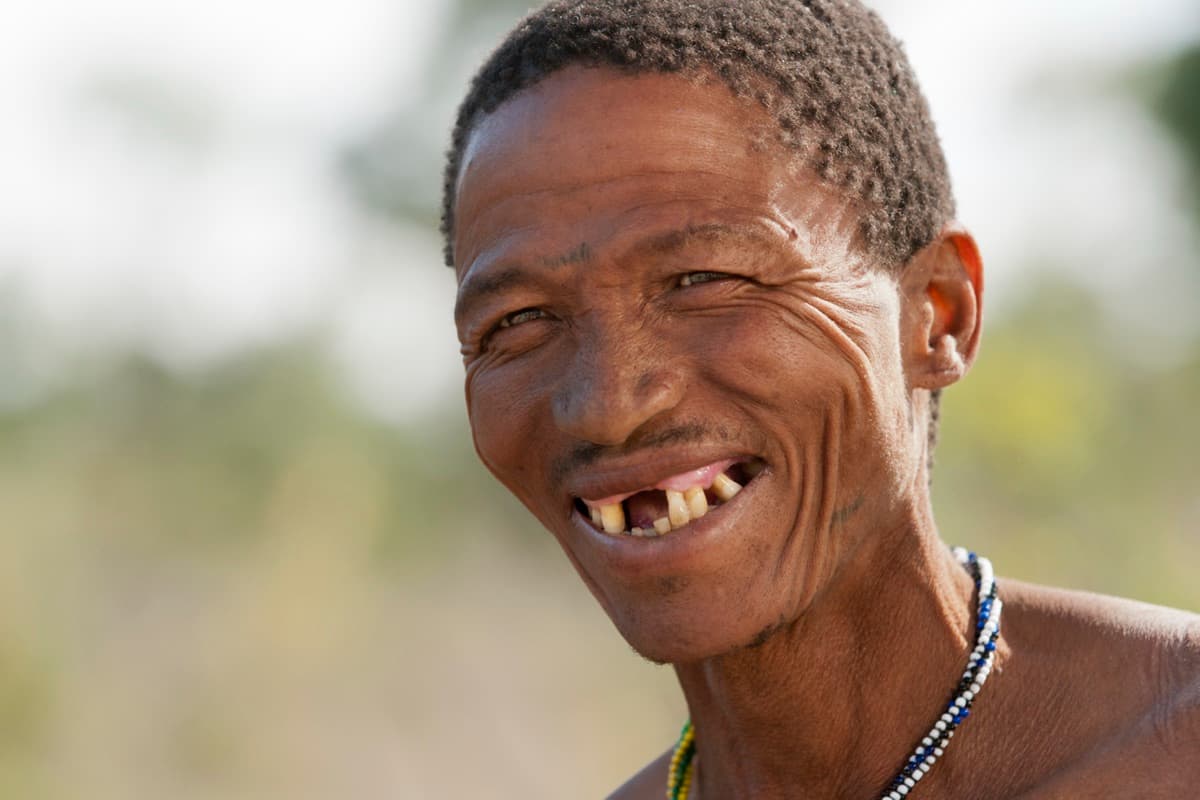
Work that competes with poaching
Community employment creates legal, conservation-linked livelihoods that compete directly with the income poaching offers.
What we do here
Pillar 1
Anti-poaching and law enforcement
Coordinated patrols using community scouts, trackers and joint operations with government.
Pillar 2
Community-based conservation
Local employment as scouts, trackers and coordinators, alongside conservation education.
Pillar 3
Transition from trophy hunting
A credible pathway from extractive hunting to photographic tourism and natural capital opportunities.
Pillar 4
Integrated landscape planning
A full management plan aligning protection, land use and community benefit across the block.
What comes next
2026 priorities
Three things decide how much ground stays protected across the block, and all three are fundable today.
01
Scaling up anti-poaching and existing patrol operations.
02
Education and healthcare infrastructure.
03
Community scouts and trackers, plus specialist equipment and training.
The Kgalagadi in numbers
- 19,100 km²
- Across KD1, KD2, KD12 and KD15, roughly 4.7 million acres, under active protection and planning.
- 353
- Patrols conducted across the landscape in 2025, focused on KD1 and KD2.
- 96
- Arrests in 2025, with firearms, vehicles and equipment confiscated.
- 58M+ tonnes
- Projected CO₂ sequestration over a 20-year project cycle.
- Most biodiverse
- KD1 and KD2 are the most biodiverse reserves in Botswana.
Who we work with
Delivered in partnership with Kalahari Research and Conservation and the Government of Botswana.
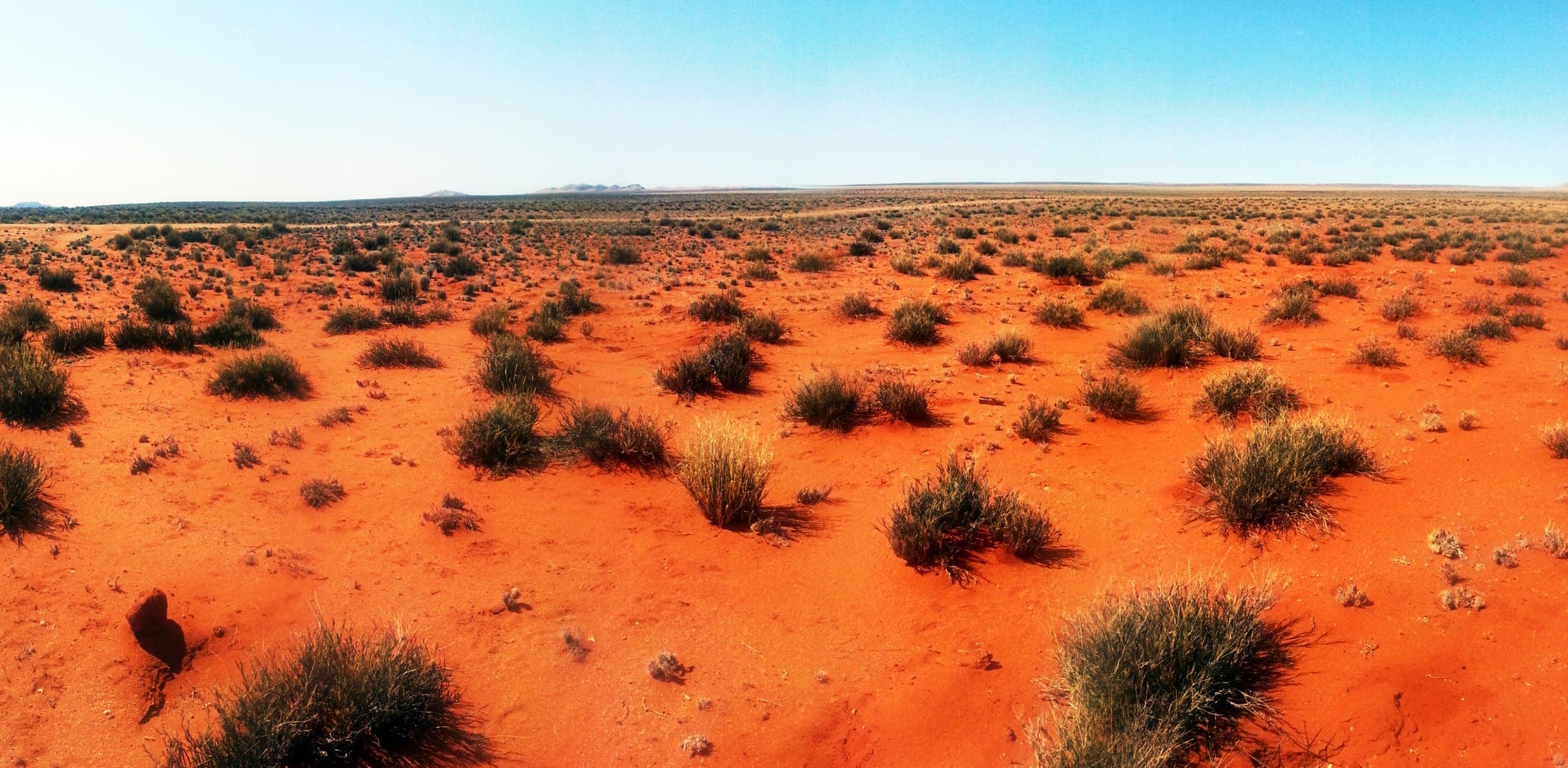
Move Africa's largest hunting block out of extraction
Securing the Kgalagadi proves a new model for African conservation. Your gift funds the patrols, the scouts and trackers, and the schools and clinics that make protection worth more to this community than poaching.
Donate NowAbundant Village is a US-registered 501(c)(3) nonprofit. Tax ID 93-1914783. Donations are tax-deductible as allowed by law.