
SOUTH AFRICA

Greater Kruger and Manyeleti

Conservation through shared prosperity.

OVERVIEW

Greater Kruger and Manyeleti

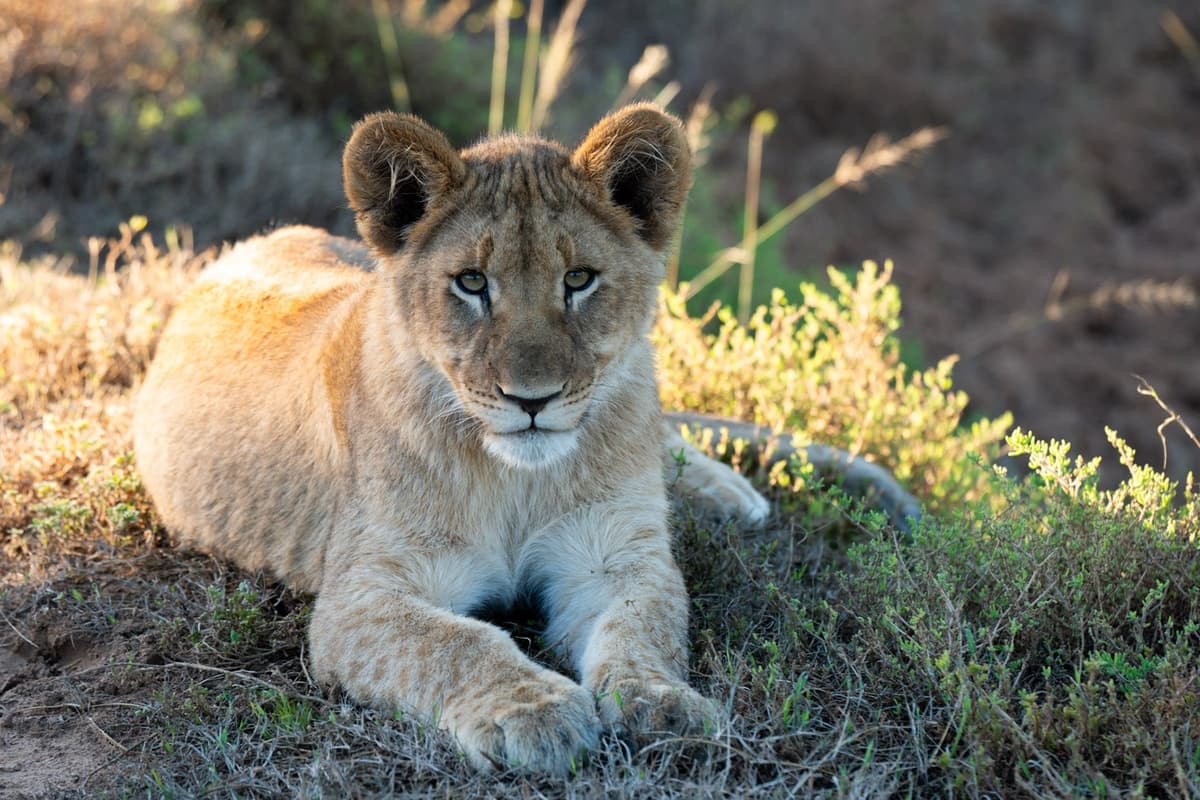
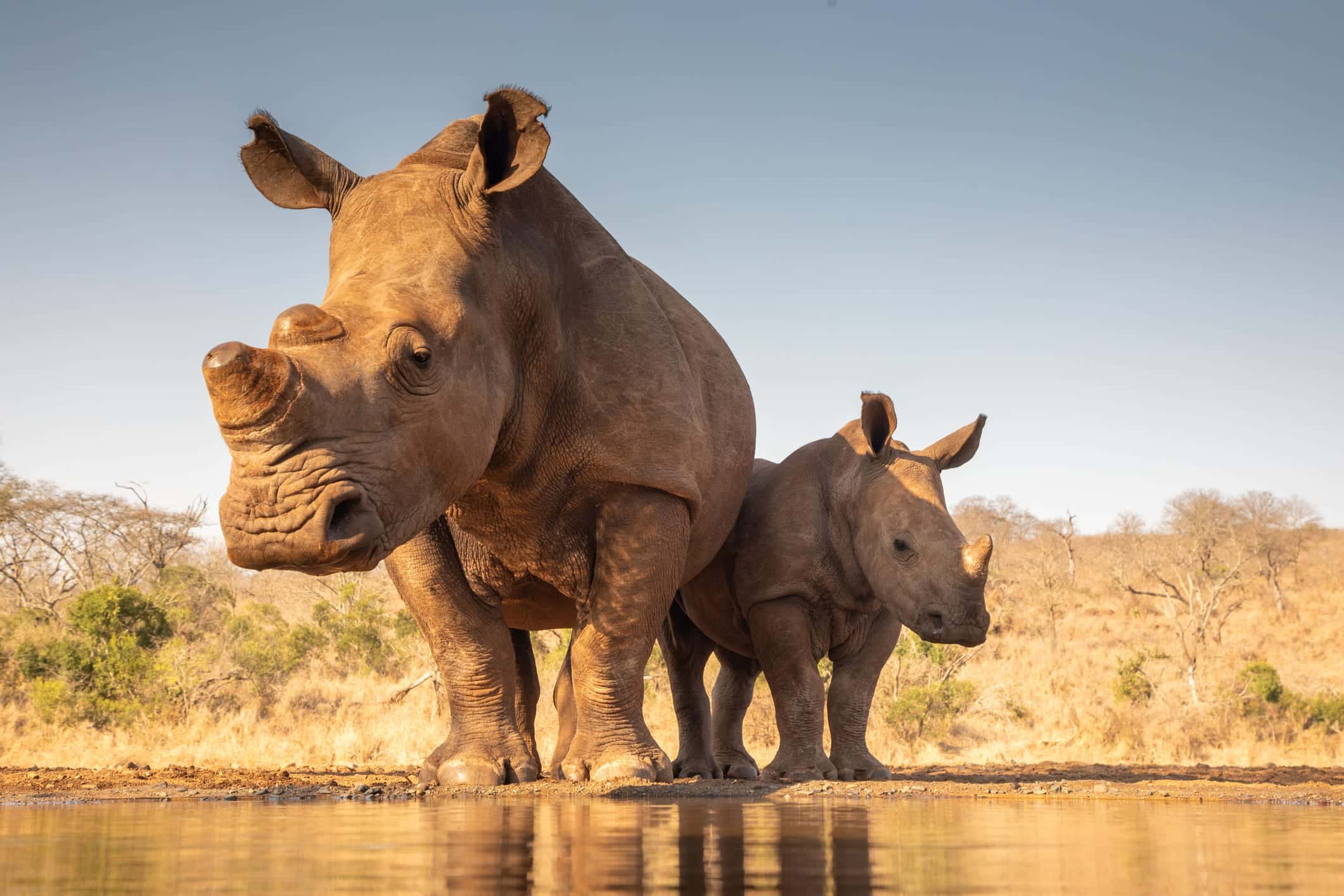
The Greater Kruger landscape is one of the largest unfenced protected ecosystems on earth, home to nearly 150 mammal species including all of the Big Five and globally significant populations of rhino, elephant, and large carnivores. Its long-term integrity depends on the people living along its edges.

Abundant Village works alongside the communities bordering the park to build a different model of conservation, one driven not by control but by shared prosperity and trust. At the heart of this work is our anchor partnership with Manyeleti Nature Reserve surrounding communities and traditional leadership, where we are scaling an outside-in model that turns surrounding communities into the landscape’s most effective protectors.

OUR FOCUS

Scaling the Manyeleti partnership

Manyeleti is the anchor of our South Africa portfolio and a critical proof of concept for the model worldwide. Sharing an unfenced boundary with Kruger, Manyeleti carries the legacy of apartheid-era forced removals: the communities around it are in many cases the land’s original custodians. Long under-resourced as the so-called poor cousin of Kruger, it holds wildlife densities that rival its better funded neighbours and sits beside one of the world’s most significant rhino populations.

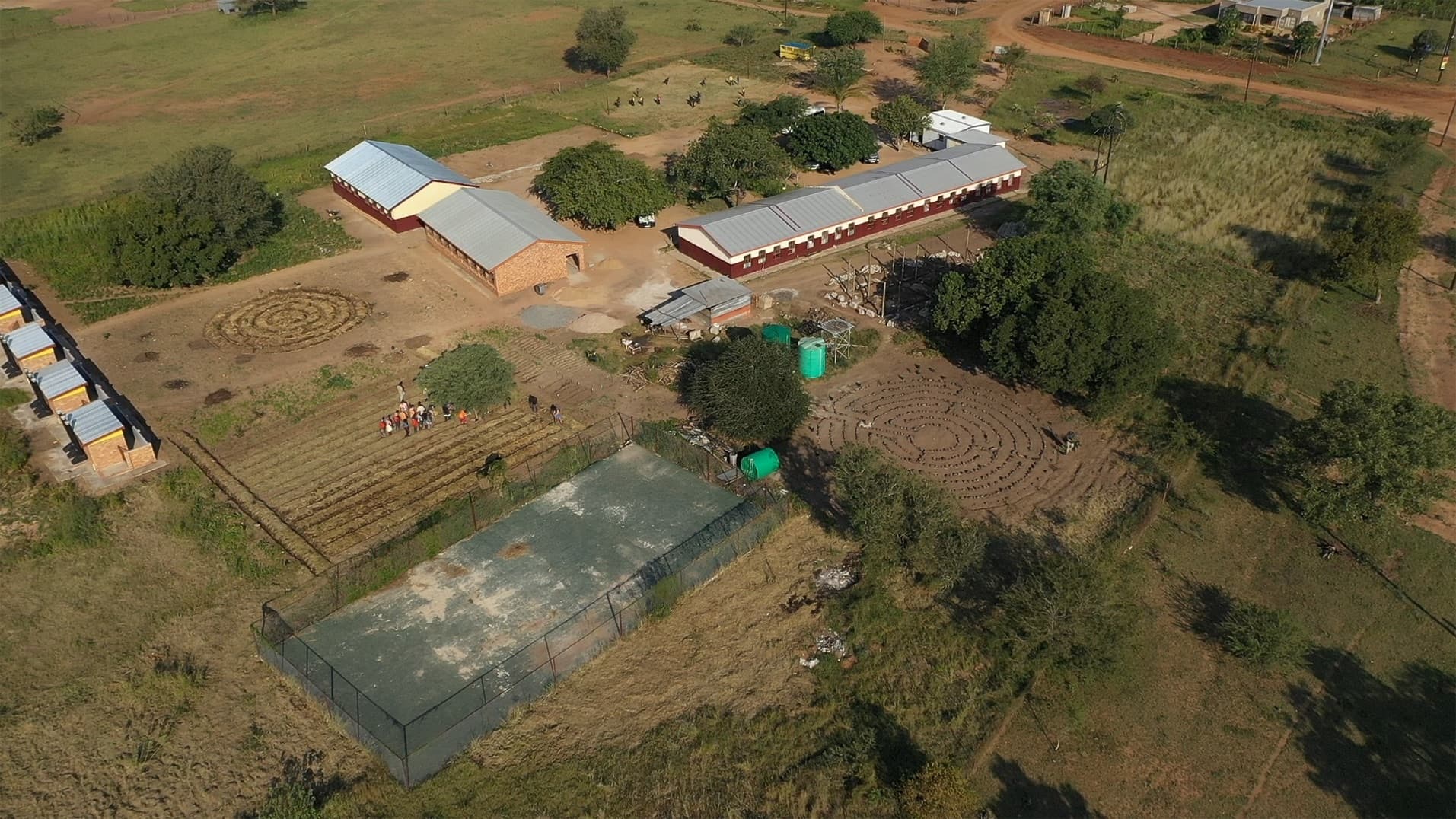
The next phase brings the social impact work we have run in Thorndale since 2024 together with Manyeleti’s conservation work as one integrated programme. The expansion runs across three connected tracks, with a formal MTPA government mandate targeted by the end of Year 3 to unlock institutional funding and long-term legitimacy.

Community-led conservation

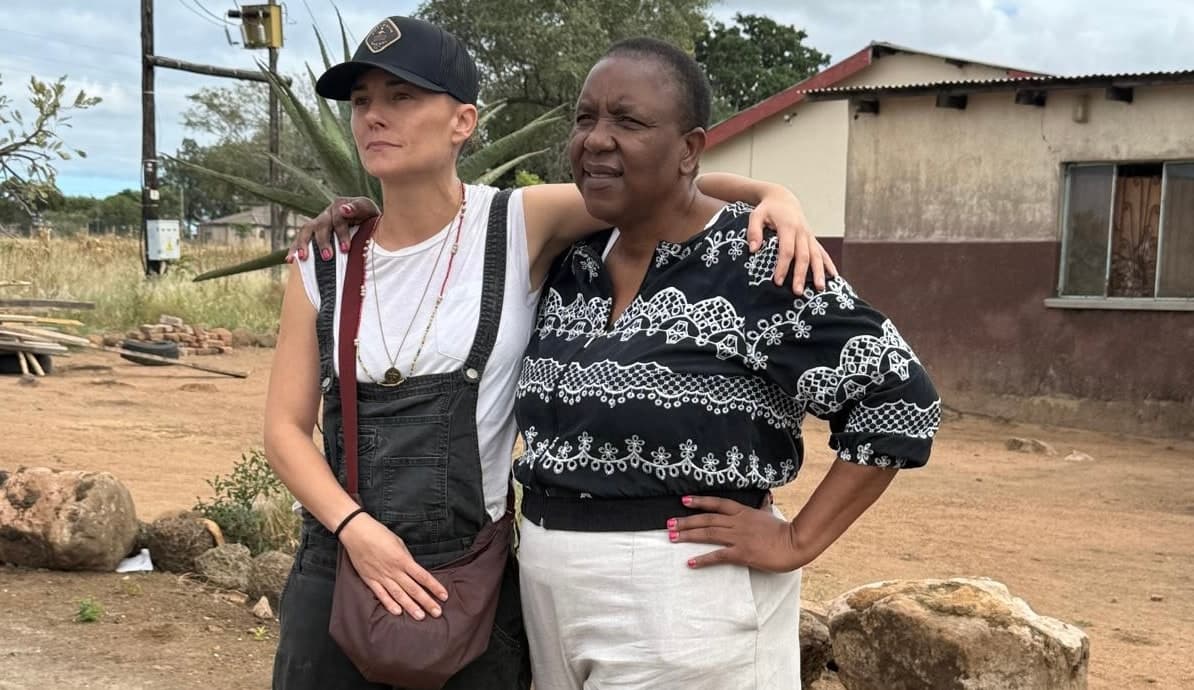
A women-led Community Liaison Officer network, with all jobs recruited locally.

Reserve support

Strengthening response capability, fence repair, equipment, vehicles, and ranger training alongside the warden’s team.

Landscape narrative

Positioning Manyeleti as the benchmark for Greater Kruger and pursuing the formal MTPA mandate.

Livelihoods and infrastructure

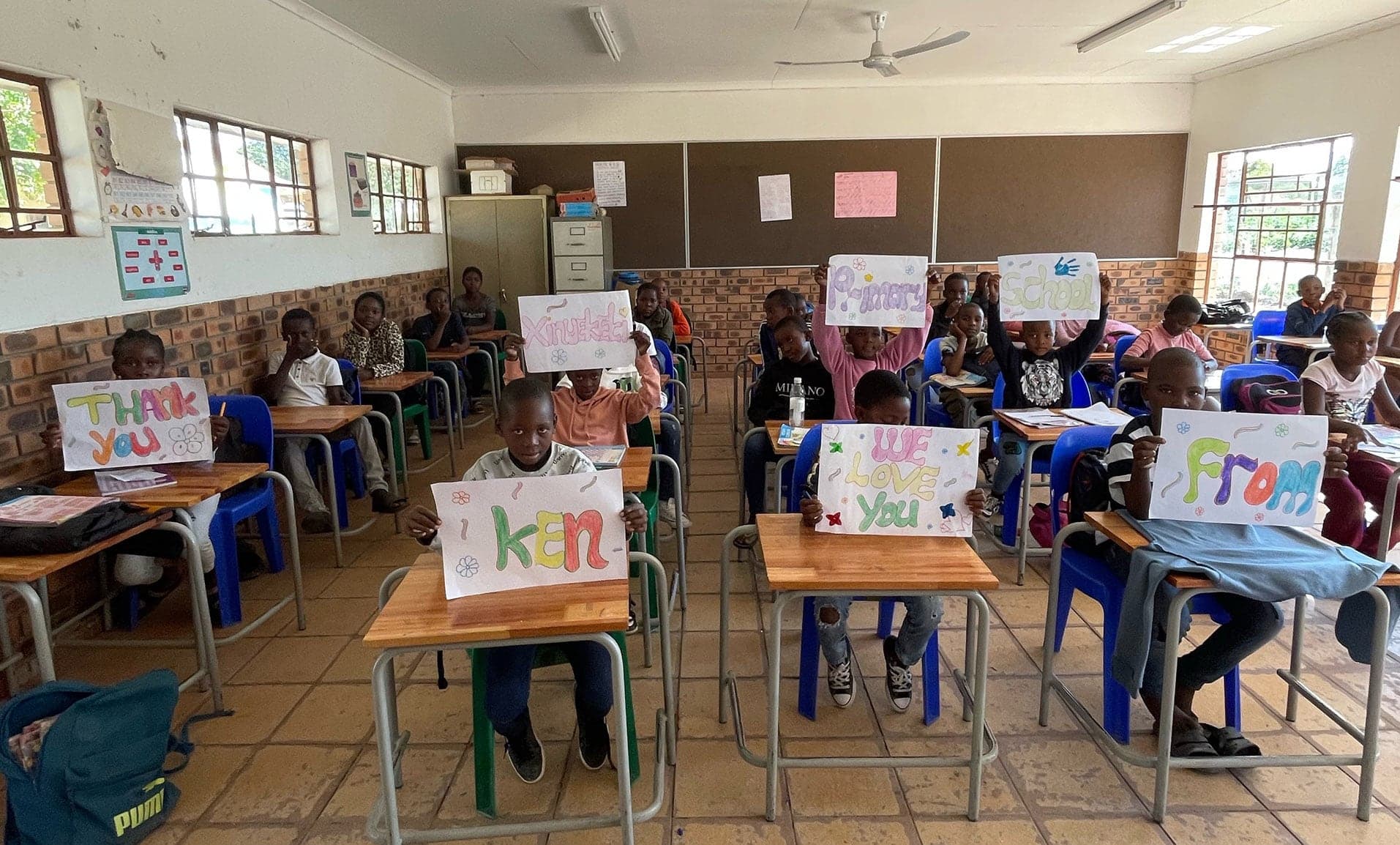
Education, boreholes and water, healthcare access, and women’s leadership.

WHY IT MATTERS

Why this project matters

  • The Greater Kruger landscape covers more than 2 million hectares and anchors the Greater Limpopo Transfrontier Conservation Area.
  • Manyeleti’s unfenced boundary means what happens there directly affects the ecological integrity of the wider park.
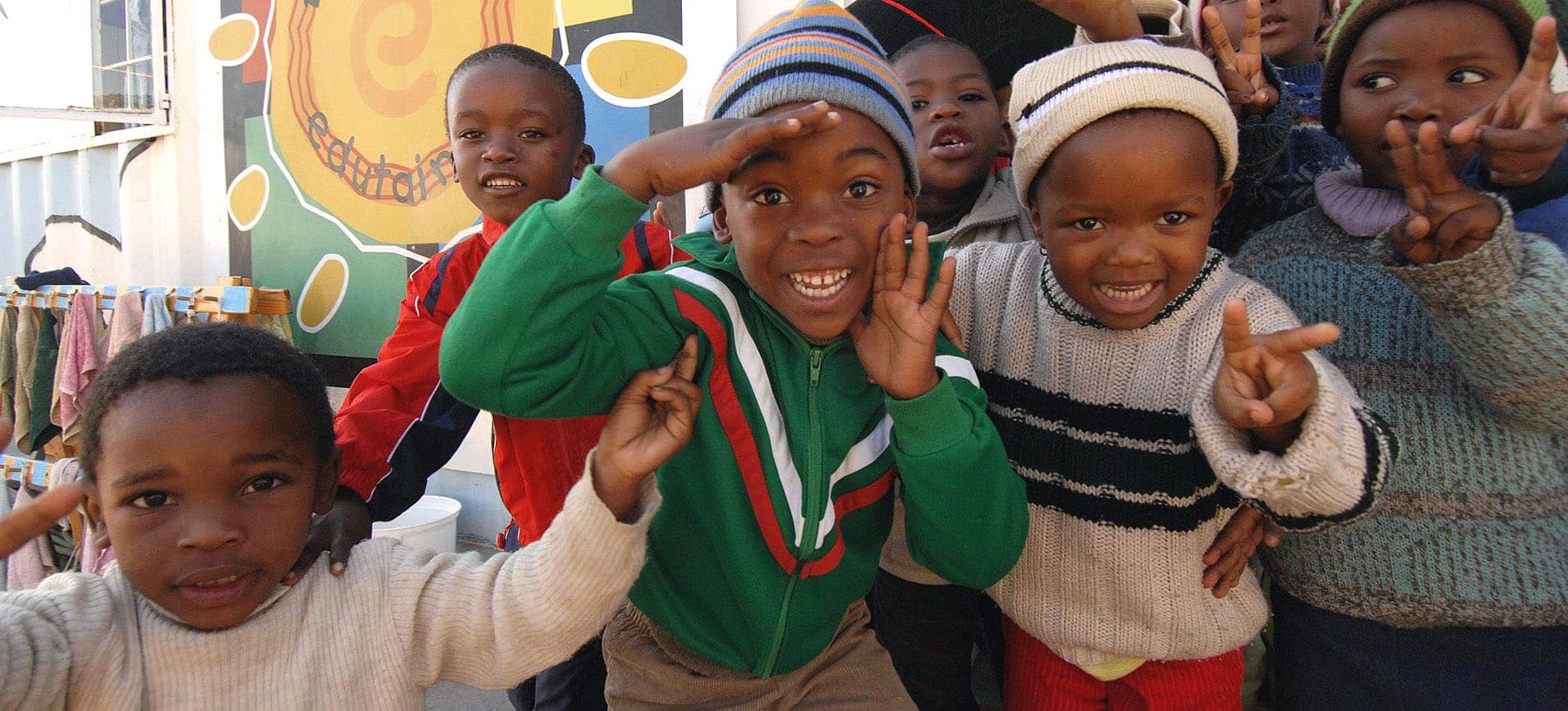
  • Surrounding communities carry a history of forced removal and exclusion, so trust and shared benefit are central.
  • Youth unemployment in these communities regularly exceeds 60 percent, driving the need for conservation-linked livelihoods.
WHAT WE DO

An outside-in conservation model

If the outside-in model works at Manyeleti, in one of the most scrutinised conservation landscapes on earth, it can work anywhere. We believe that without the lasting support of neighbouring communities, no amount of fencing or enforcement will protect the park.

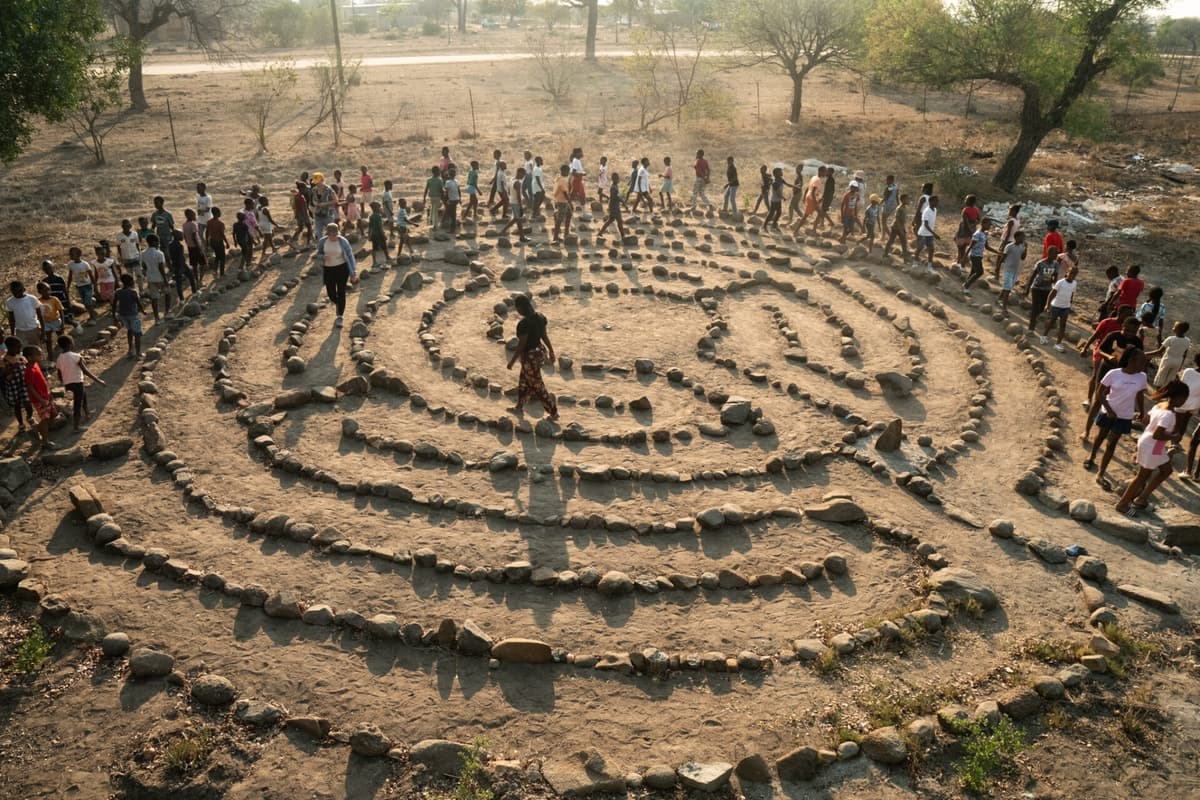
  • Community-led conservation: a women-led liaison network, community rangers, and conservation education.
  • Reserve operational support: response capability, fence repair, equipment, vehicles, and ranger training.
  • Livelihoods and social infrastructure: education, boreholes and water, healthcare access, and women’s leadership.
  • Mandate and replication: pursuing a formal MTPA mandate and sharing the model across Greater Kruger.

Key metrics

A concise view of the scale, outcomes, and investment needed for this programme.

23,000 ha

Manyeleti reserve

Unfenced with Kruger, within a 2 million hectare landscape.

100%

Local and women-led

First CLO cohort of 16 recruited entirely from surrounding villages.

Since 2024

Social impact

Programmes running in Thorndale, now folded into the path forward.

180+

Settlements

Community settlements along the park’s eastern boundary.

10 years

Vision

Communities as self-identifying custodians, with a stable and growing rhino population.

DELIVERY AND INVESTMENT

Investment trajectory

The investment path scales from the first Community Liaison Officer cohort and reserve response capability into a formal mandate and a mature locally staffed operating model.

  • Year 1: USD 250,000 to deploy the first CLO cohort, response capability, and MEL baseline.
  • Year 3: USD 640,000 at scale, with the MTPA mandate concluded and multi-year donor commitments secured.
  • Year 5: USD 1,638,000 operational plateau, with 100 percent of staff recruited locally.
OUR PARTNERS

Partnerships

Delivered in support of Manyeleti Nature Reserve with Tintswalo, Thorndale, and Mnisi community structures.

Greater Kruger photo album

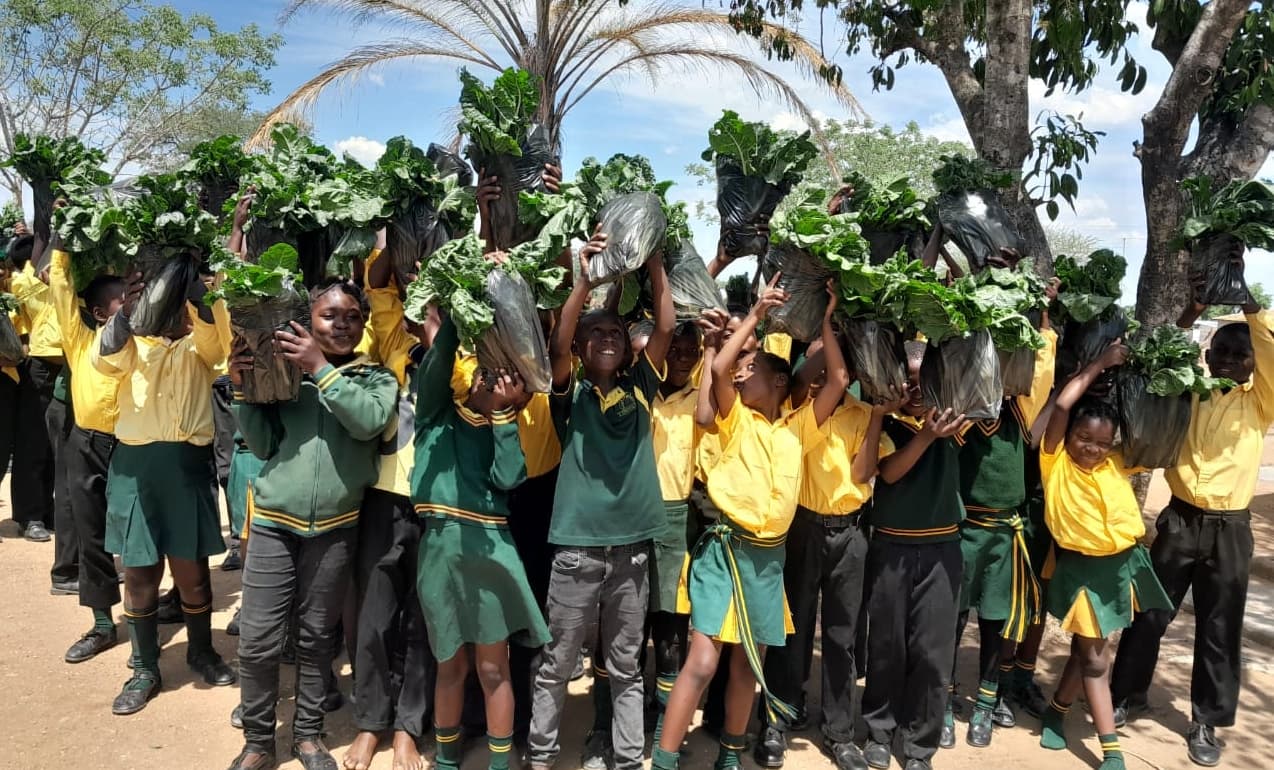
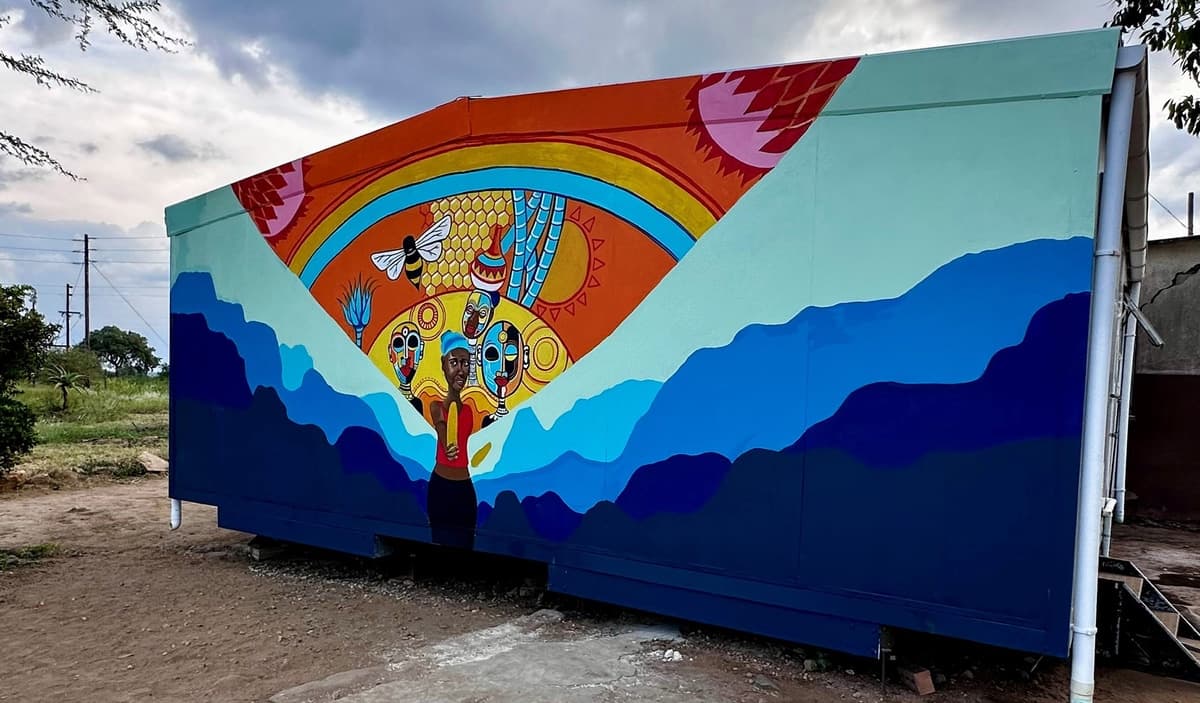
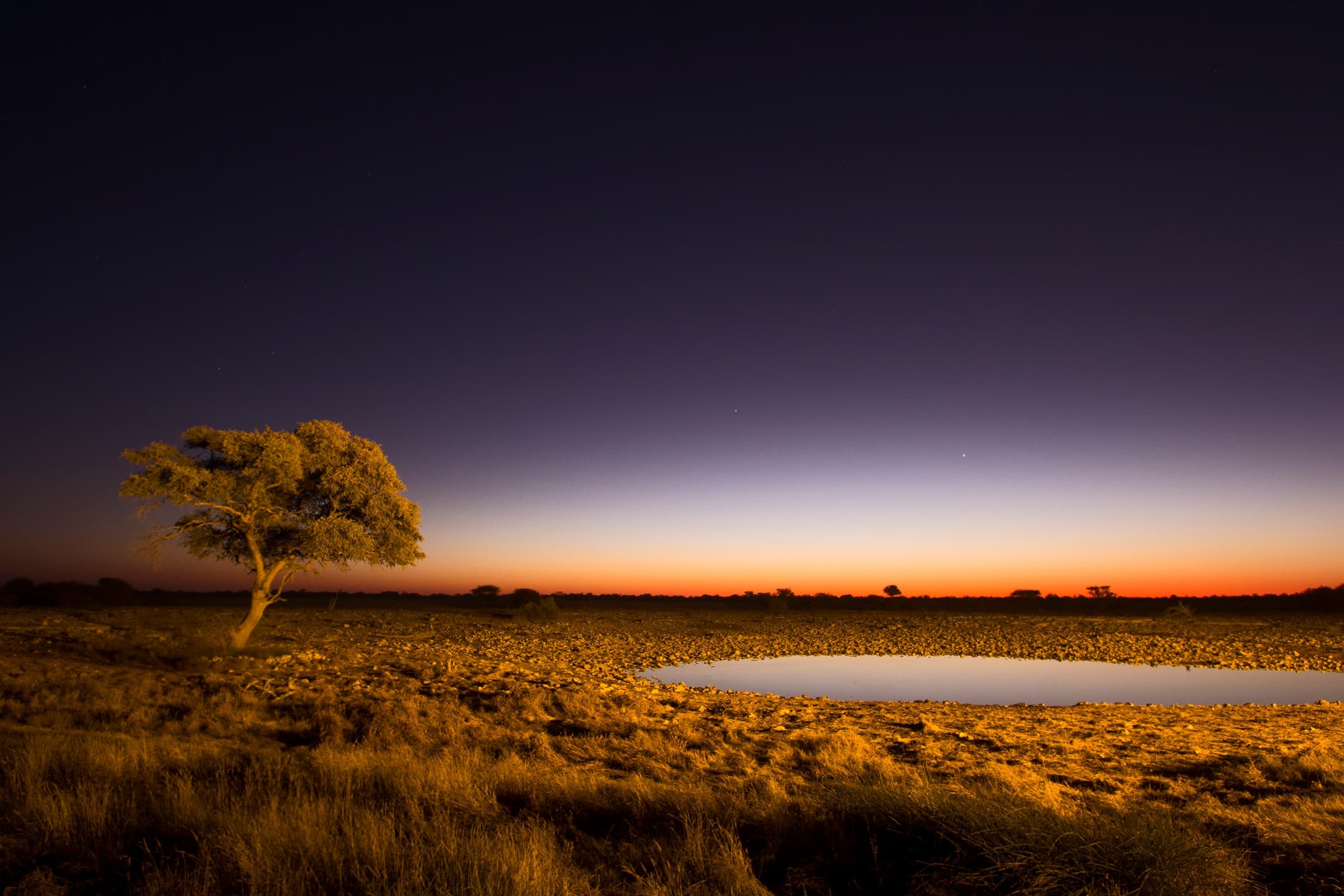
Community, wildlife, and landscape images from the Greater Kruger and Manyeleti programme.

Get involved

This is a chance to reimagine conservation in South Africa, where protecting nature begins with investing in people. Partner with us to scale the Greater Kruger model and help it become the benchmark for expansion.