

Focus area 1
Locally managed marine areas
Co-management is expanding across 17 Shehia Fisheries Committees' community-governed zones and no-take areas, putting the decisions that shape the reef in the hands of the communities who fish it.
Tanzania
Restoring the ocean through community-led enterprise.
2,461 square kilometres of reef, mangrove and seagrass. Over 25,000 women depend on it for a living. And a model already raising their income by 900% while it restores the water underneath them.
Abundant Village is a US-registered nonprofit working alongside communities in Botswana, South Africa, Tanzania and Zimbabwe. We fund and co-design conservation that the people living closest to the land actually lead. This page is about the Zanzibar Archipelago, off Tanzania’s east coast, and the Marine ReGen Programme delivered there with our partner Mwani Zanzibar.


501(c)(3) nonprofit · Tax ID 93-1914783
The Zanzibar Archipelago sits in the Western Indian Ocean off Tanzania’s coast, spanning 2,461 square kilometres of coral reef, seagrass bed and mangrove forest. It is one of East Africa’s most biologically and culturally rich marine regions, sustaining biodiversity, fisheries, tourism and community life across a single connected seascape.
Mangrove corridors link Jozani-Chwaka Bay National Park to Menai Bay Conservation Area, the programme’s core protected area, supporting species found nowhere else, including the endangered Zanzibar Red Colobus. What happens in the water and along the shoreline between them is what keeps that link alive.
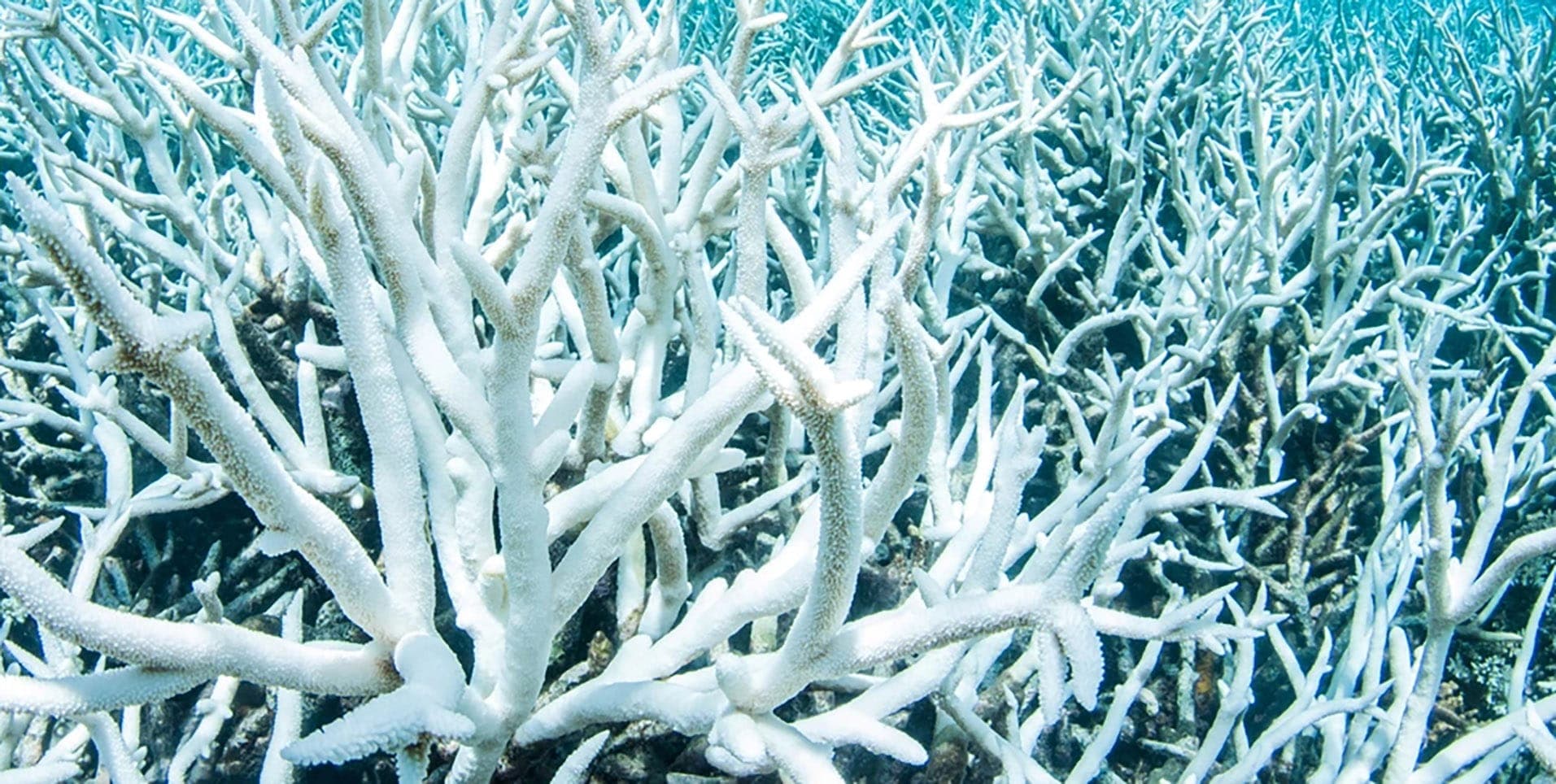
Live coral cover has fallen below 25% in parts of Menai Bay, with reefs shifting toward algal dominance. The pressure comes from overexploitation, habitat loss and the growing impact of climate change on a seascape that has sustained these communities for generations.
More than 25,000 women in Zanzibar depend directly on intertidal zones for seaweed farming and subsistence. When the reef and seagrass they work in decline, so does the income of every household behind them.
A reef cannot be fenced off from the people who depend on it. The only restoration that lasts is restoration that pays.
Delivered with our partner Mwani Zanzibar, ReGen treats coral reefs, mangroves and intertidal zones as one interconnected system: business can build health into the ecosystems it depends on. By sourcing marine botanicals sustainably and channelling revenue into a community-managed ReGen Fund, the programme is built to reach financial sustainability by Year 5.
The programme runs across five connected focus areas, delivered in Unguja and Pemba Island communities, with core conservation in Menai Bay Conservation Area and processing at Paje on Unguja’s east coast.
Focus area 1
Co-management is expanding across 17 Shehia Fisheries Committees' community-governed zones and no-take areas, putting the decisions that shape the reef in the hands of the communities who fish it.
Focus area 2
Reef health surveys, coral nurseries, transplantation and artificial reef structures run alongside community monitoring training, rebuilding reef structure one transplanted colony at a time.

Focus area 3
Mangrove nurseries, replanting and forest protection stabilise shorelines, serve as fish nurseries, and act as a blue carbon sink drawing carbon out of the atmosphere.
Focus area 4
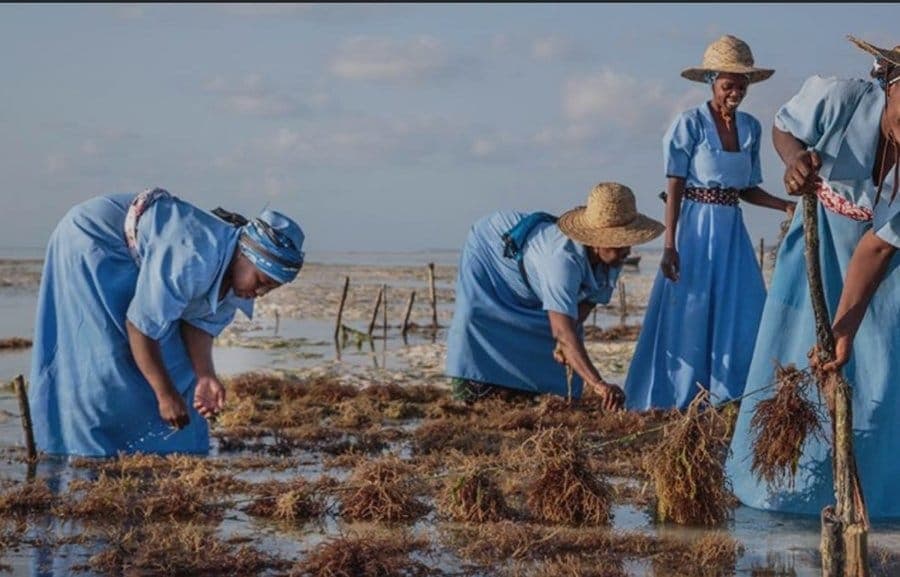
Technical training is turning women seaweed farmers into marine ingredient artisans over a five-year programme, so conservation becomes a trade with real income behind it.
Focus area 5
Participatory resource mapping, marine spatial planning and transparent community benefit-sharing put the programme's decisions, and its proceeds, in view of the communities they affect.
Delivery and investment
The programme runs on a five-year implementation horizon, with philanthropic support highest in Year 1 and tapering as efficiency and partner investment grow.
USD 1,090,000
The 2026 programme budget, channelled into a community-managed ReGen Fund overseen by a steering committee. USD 180,000 in cost efficiencies have already been achieved by sharing staff and resources across Abundant Village’s existing partner programmes.
“Mwani Zanzibar was founded on the belief that women should be co-creators and leaders, not beneficiaries.”
The model has driven a 900% increase in income for women seaweed farmers. Many are now their household’s primary breadwinner, with effects that reach their children’s school attendance and university enrollment.
More than 65% of managerial roles are held by women, against a maintained 60% minimum target. Every woman in the programme completes a five-year training curriculum spanning chemistry, ecology, financial literacy and production management. The retention rate is above 80%, and two of the programme’s most senior farmers have already progressed into management.
Delivered with Mwani Zanzibar, who lead the grassroots work, alongside Mwambao Coastal Community Network on restoration and the Wildlife Conservation Society on scientific assessment. The programme is supported by Blue Ventures, Zanzibar’s Department of Forestry and Non-Renewable Natural Resources, the Ministry of Blue Economy and Fisheries, and Nelson Mandela University as research partner.
Community, coral and marine life from the Marine ReGen Programme.

A fisherman pauses beside his boat on the tidal flats, the same waters the Marine ReGen Programme is working to restore.
A red-knobbed starfish in the shallows of a community-managed marine area.

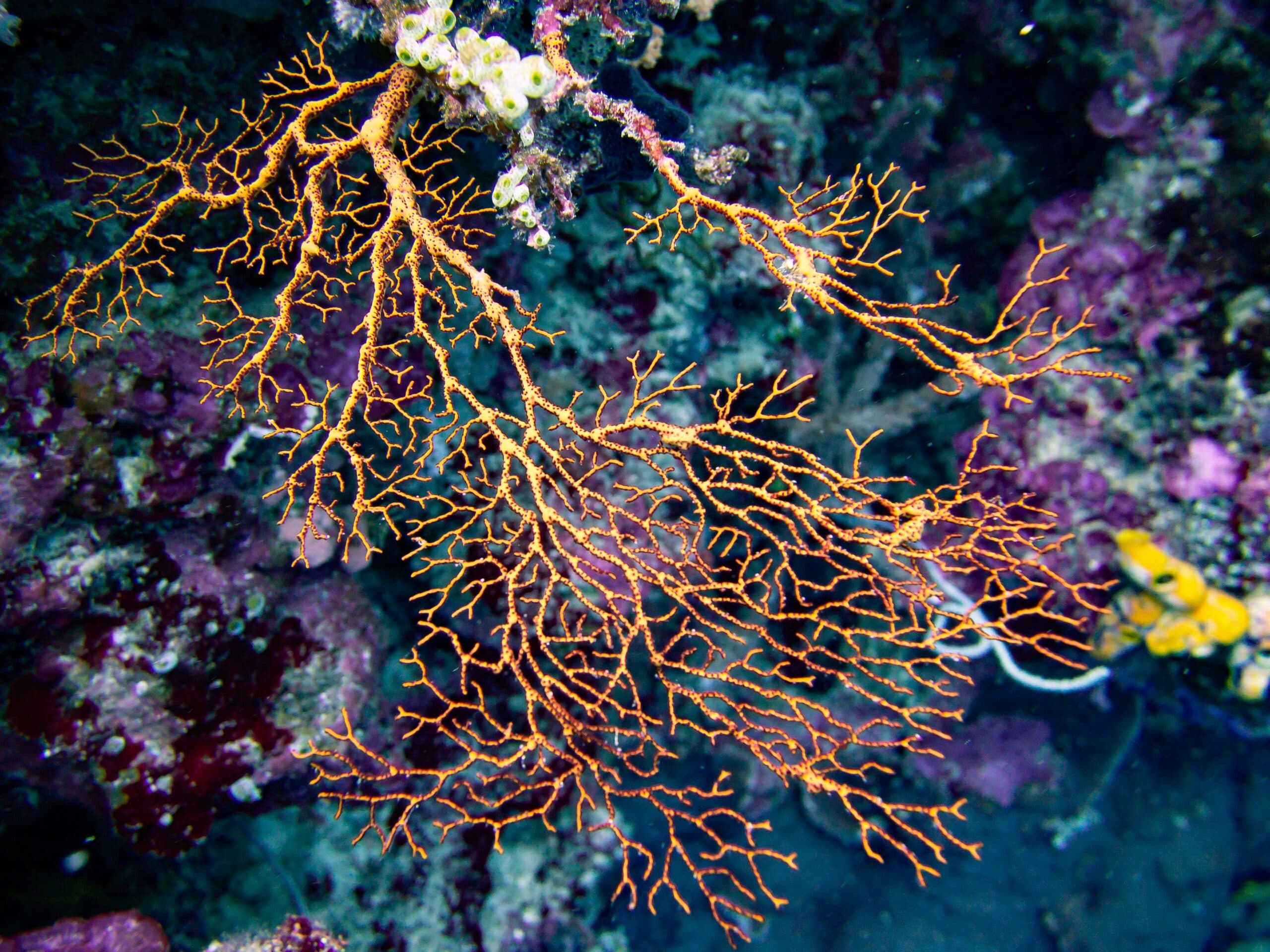
Soft coral colonises the reef structure off Zanzibar's coast.
A healthy coral reef, the kind of structure the programme's nurseries and transplantation work aim to rebuild.
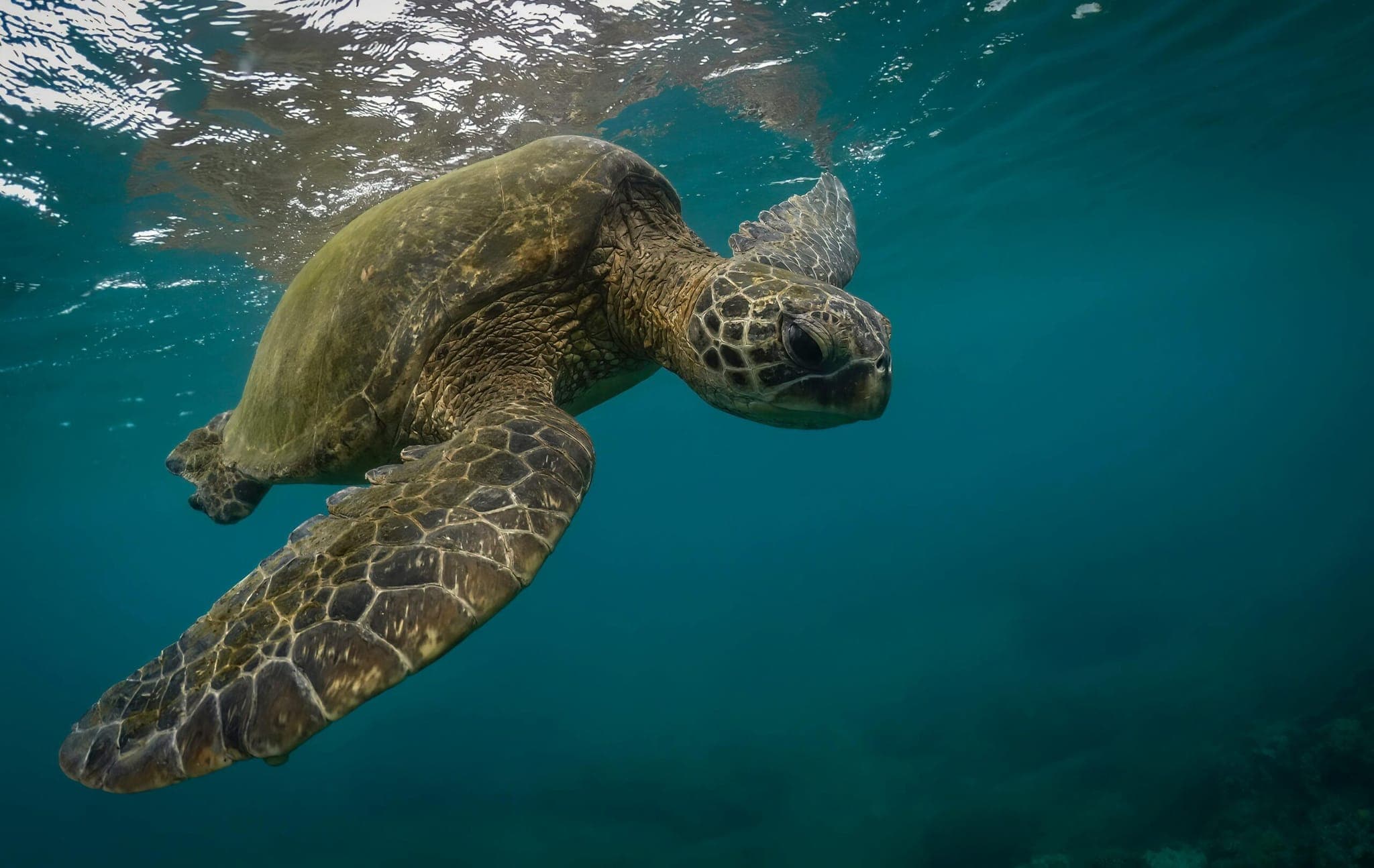
A green sea turtle grazes the seagrass beds the programme protects through community stewardship.

A green sea turtle surfaces off Zanzibar's coast.
A fisherman casts his net at dusk: mangrove-lined shorelines like this are exactly what the programme's nurseries and replanting work protect.
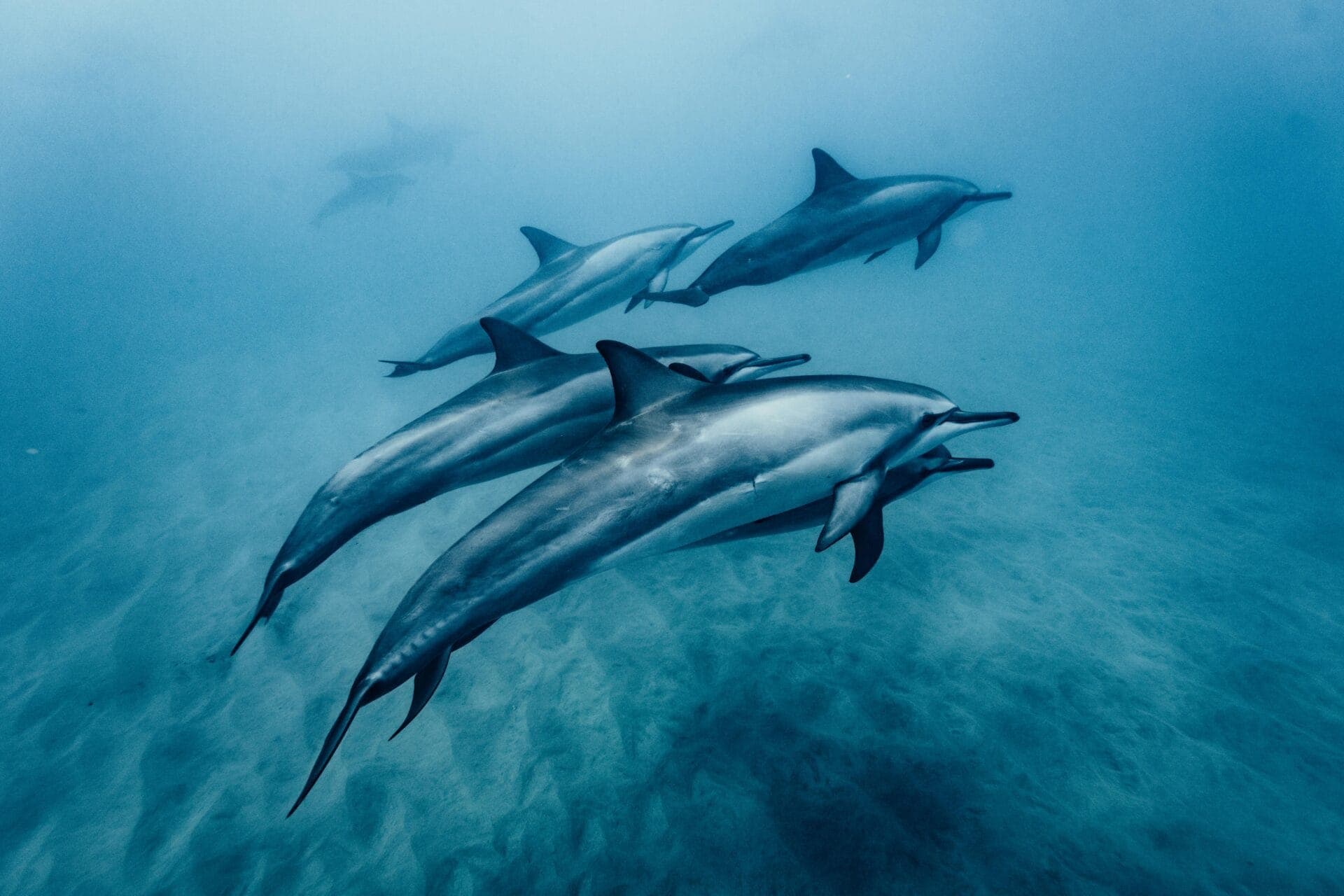
A pod of bottlenose dolphins in Zanzibar's waters, protected by the same marine spatial planning and benefit-sharing that governs the reef.
Bleached staghorn coral in Menai Bay. Live coral cover has fallen below 25% in parts of the bay.
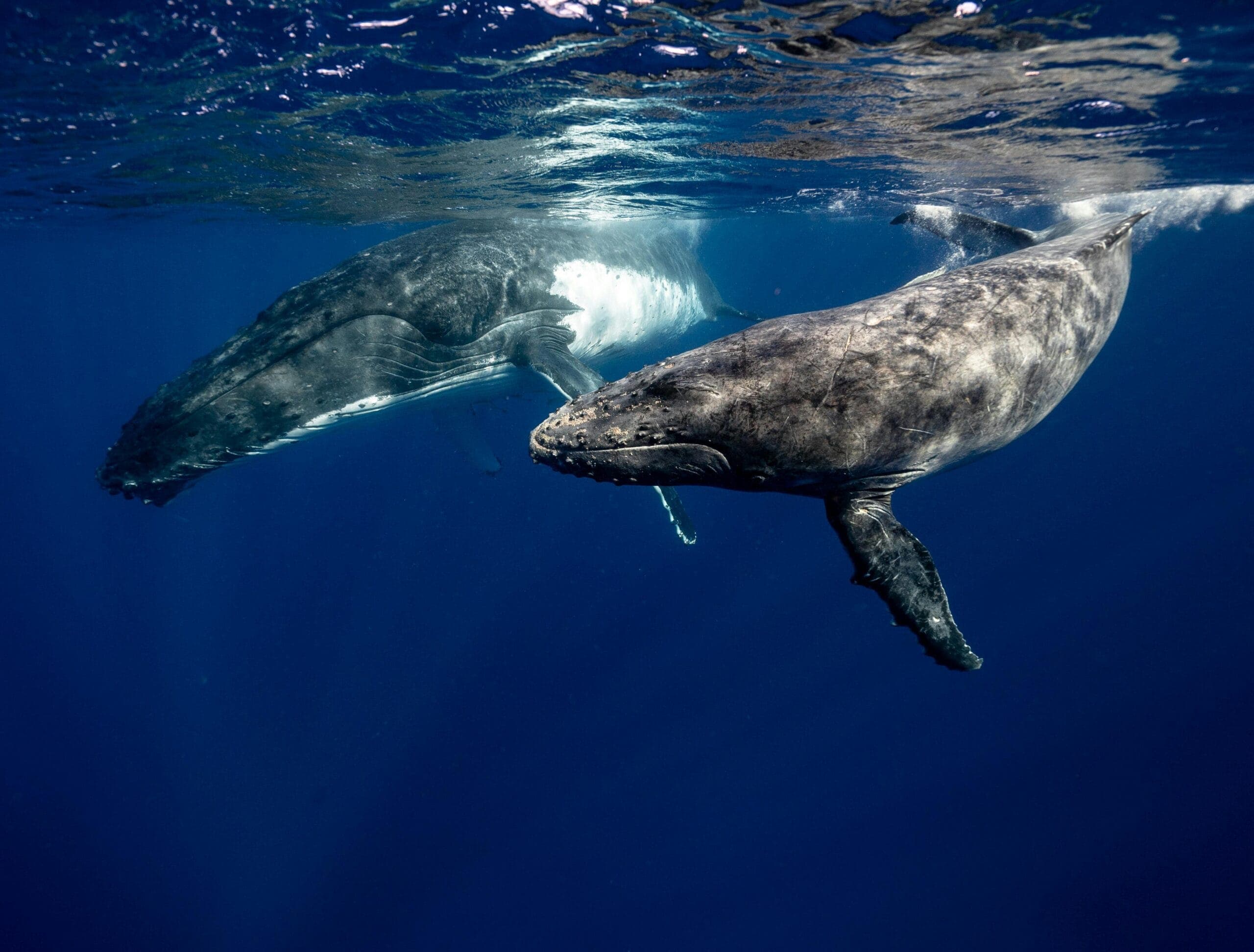
Humpback whales pass through Zanzibar's waters on their seasonal migration.
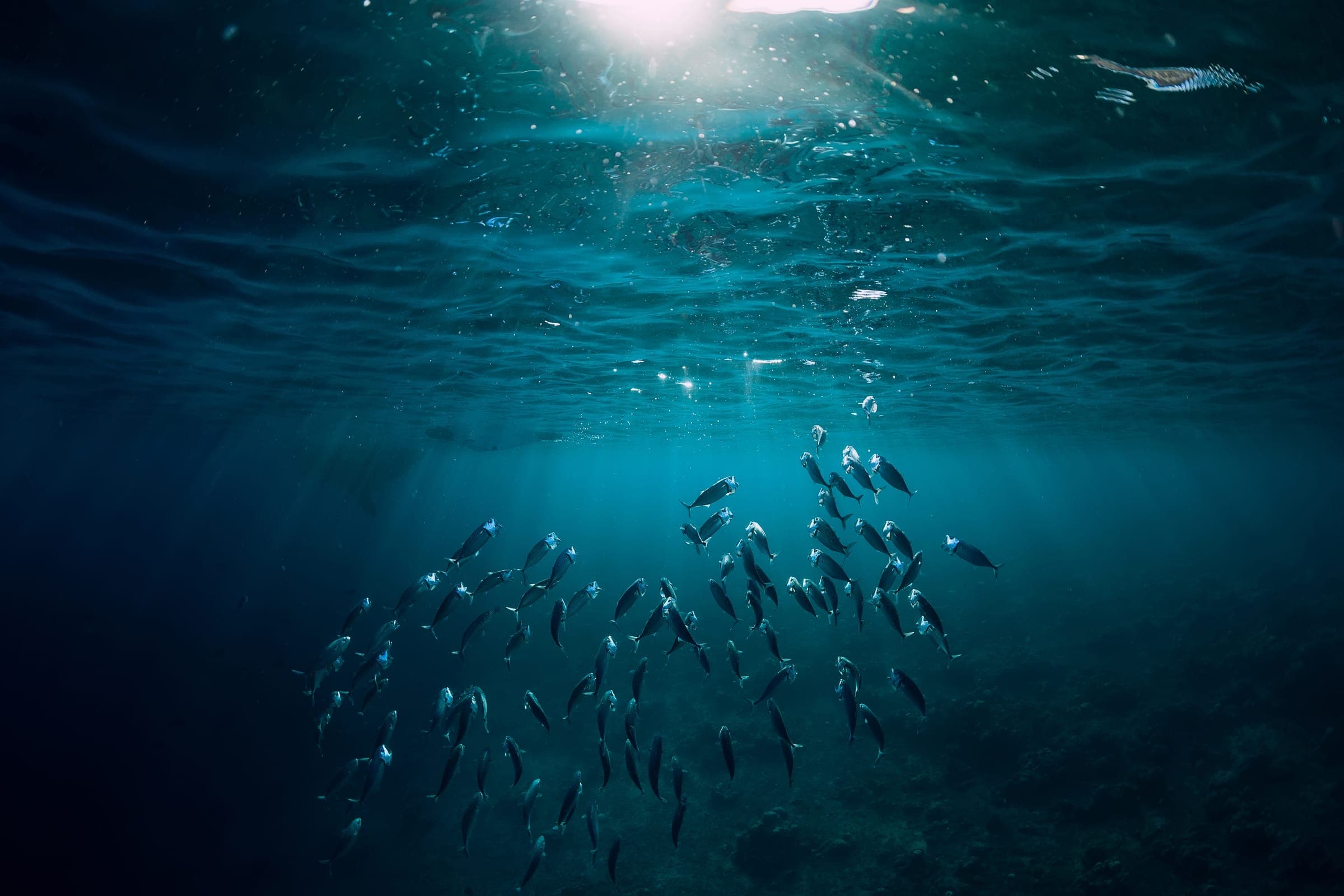
Your gift funds the seaweed-farmer training, the coral nurseries, the mangrove planting and the community patrols that keep Zanzibar's reef recovering.
Donate NowAbundant Village is a US-registered 501(c)(3) nonprofit. Tax ID 93-1914783. Donations are tax-deductible as allowed by law.